Nibbi ET300 2026: First Serious Chinese 2-Stroke Enduro Bike?
- The Old Man and the Dirt Bike #52

- Jan 12
- 4 min read
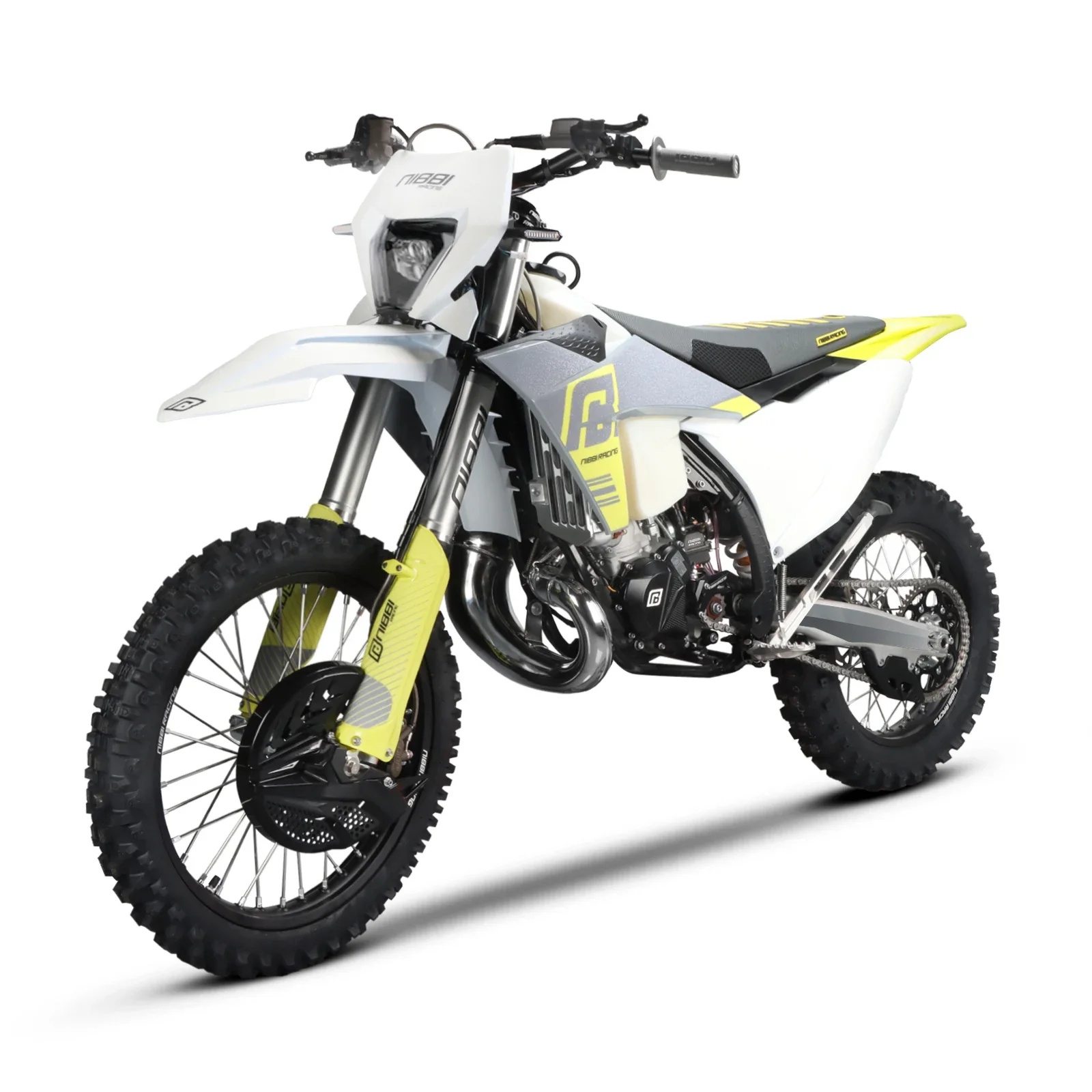
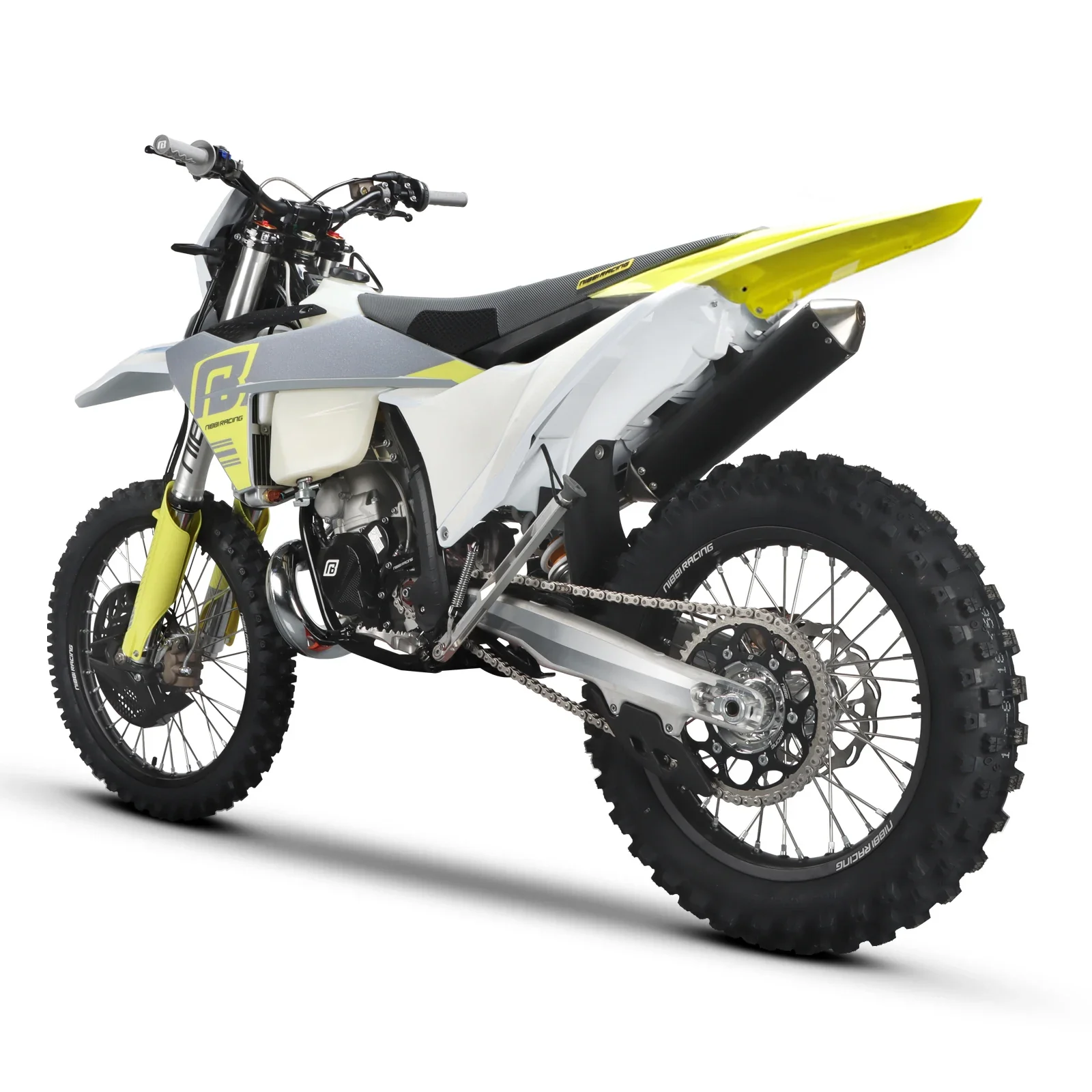
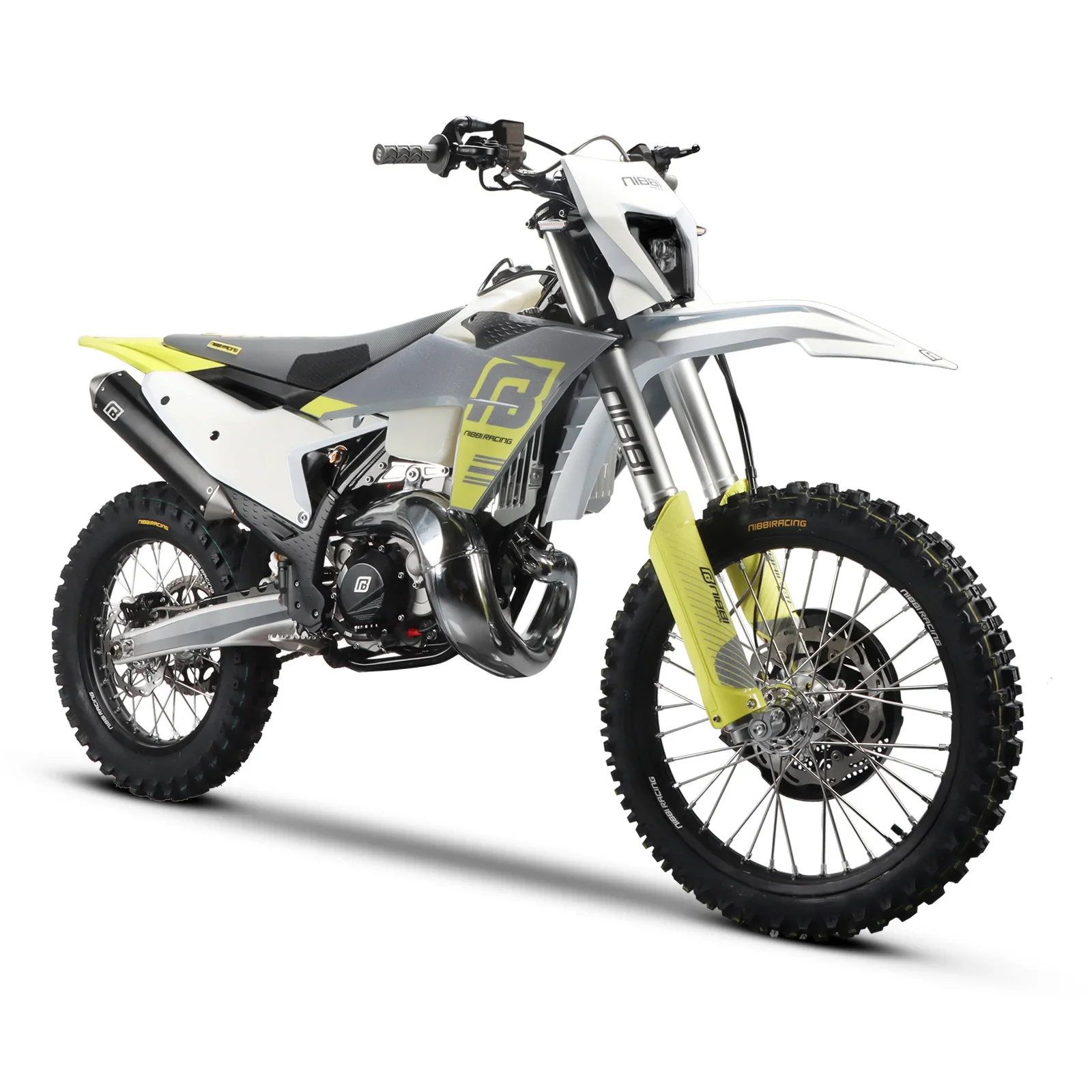
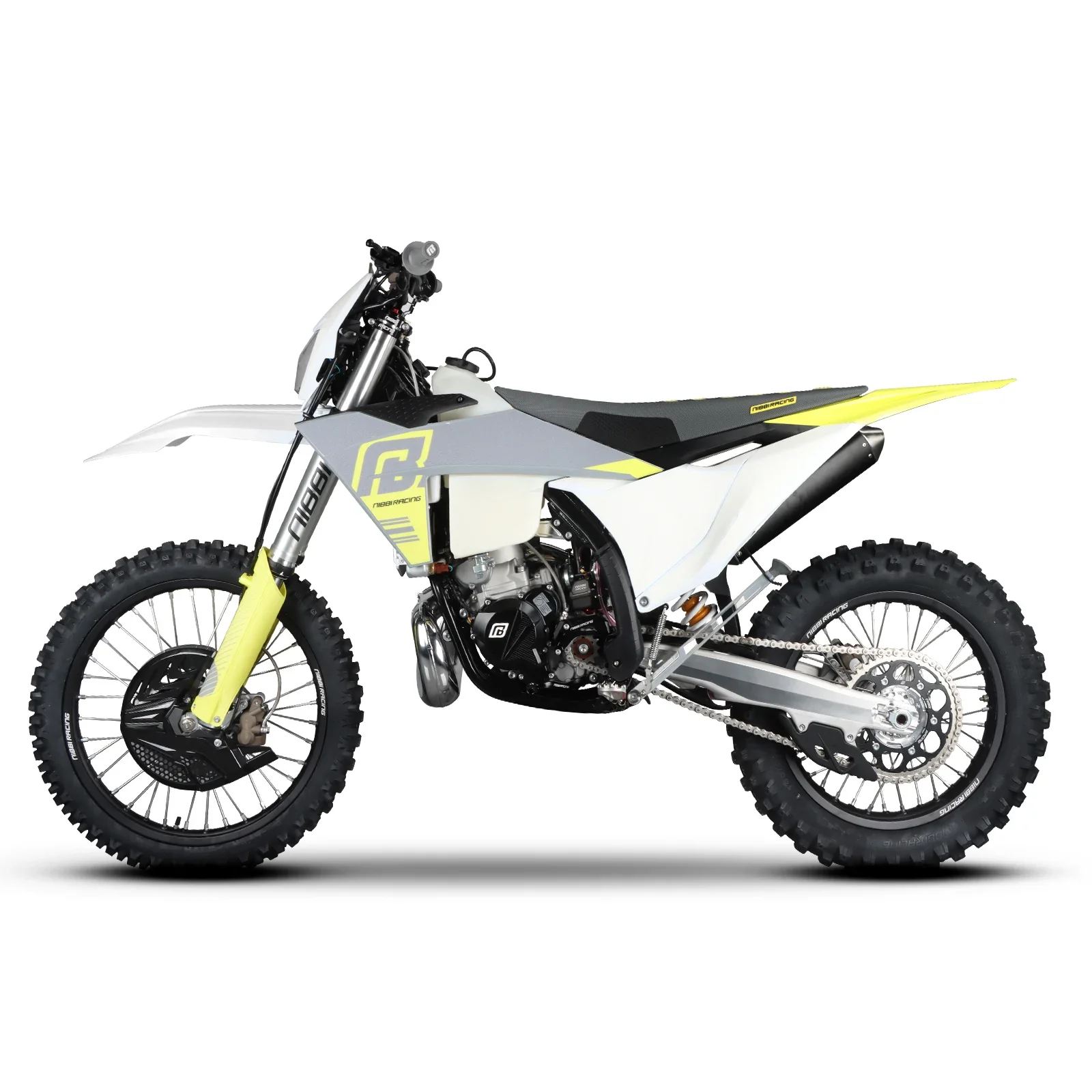
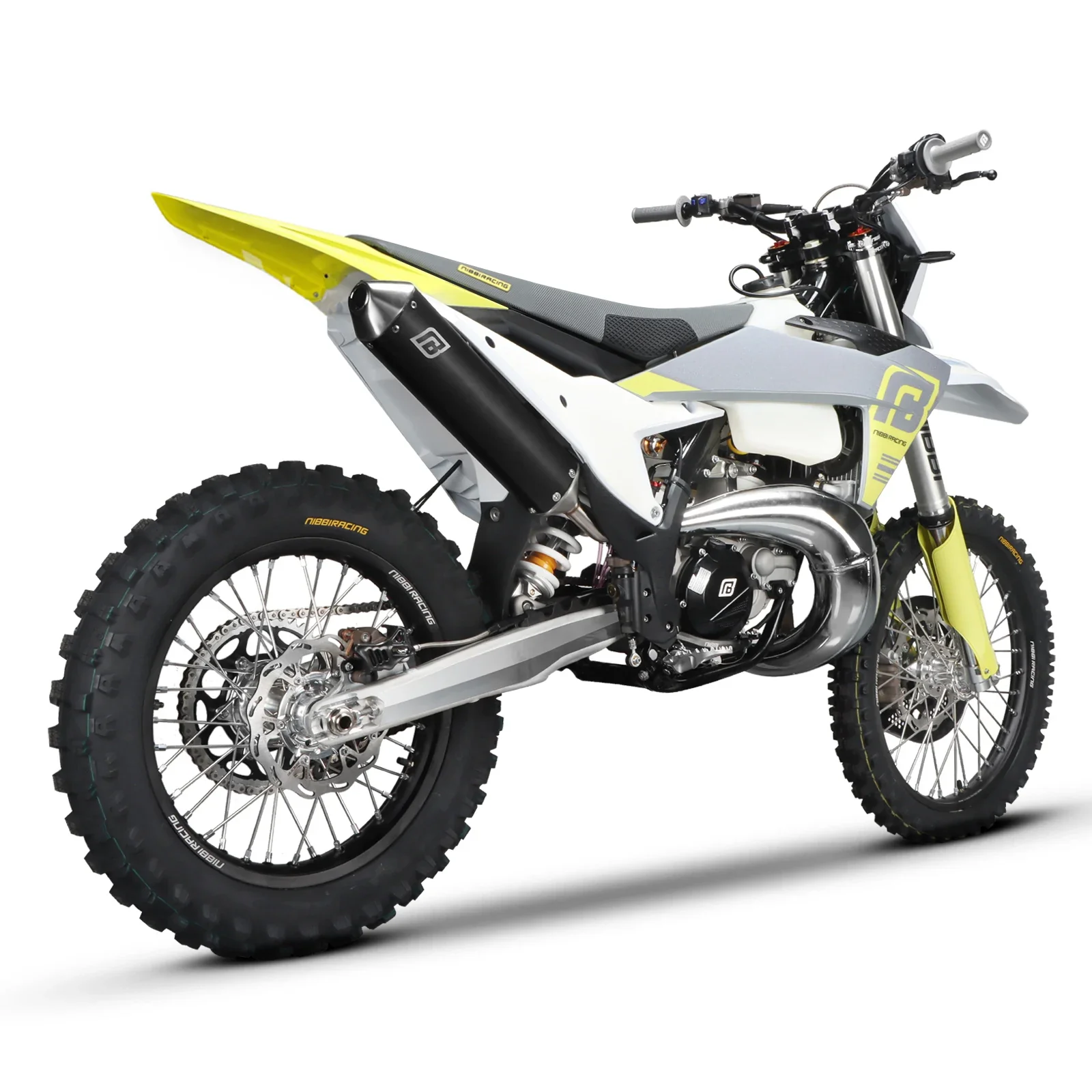
Nibbi Racing is best known for carburetors and racing parts, not complete motorcycles. That’s exactly why the all-new Nibbi ET300 2026 is interesting. This is Nibbi’s step into the competitive 300cc 2-stroke enduro / hard enduro segment—a space dominated by KTM, Husqvarna, and GasGas.
With a modern chassis, balance-shaft 2-stroke engine, and Nibbi’s own components throughout, the ET300 looks like a serious attempt rather than a branding exercise. But how good does it look on paper? Let’s break it down.
Who Is Behind the Nibbi ET300?
Nibbi Racing was founded in 1985 by Italian brothers Antonio and Francesco Nibbi. Over the decades, Nibbi has become a globally recognized performance brand, especially renowned for its racing carburetors, intake systems, and ignition components.
Nibbi operates globally:
USA (California): Brand operations & marketing
Germany (Baden-Württemberg): R&D and testing
China (Canton): Manufacturing & supply chain
Nibbi parts are used in high-level racing events like MXGP, Erzberg, Romaniacs, and Dakar, and the ET300 is a natural next step—building a complete bike around their own technology.

Engine & Performance
At the heart of the ET300 is the NB300R engine:
Single-cylinder
300cc class 2-stroke
Liquid-cooled
Balance shafts (big plus for vibration reduction)
Fast power delivery with a smoother feel than older 2-strokes
The balance shaft is especially important for longer enduro rides and older riders—it reduces fatigue and improves traction control on technical terrain.

Carburetor: Nibbi PWN40
No surprise here—Nibbi uses their own PWN40 carburetor:
Easy adjustment for temperature, humidity, and altitude
Single control for idle speed and enricher
Designed for consistent fueling in changing conditions
For riders used to Nibbi carbs, this is a strong confidence point.

Exhaust System
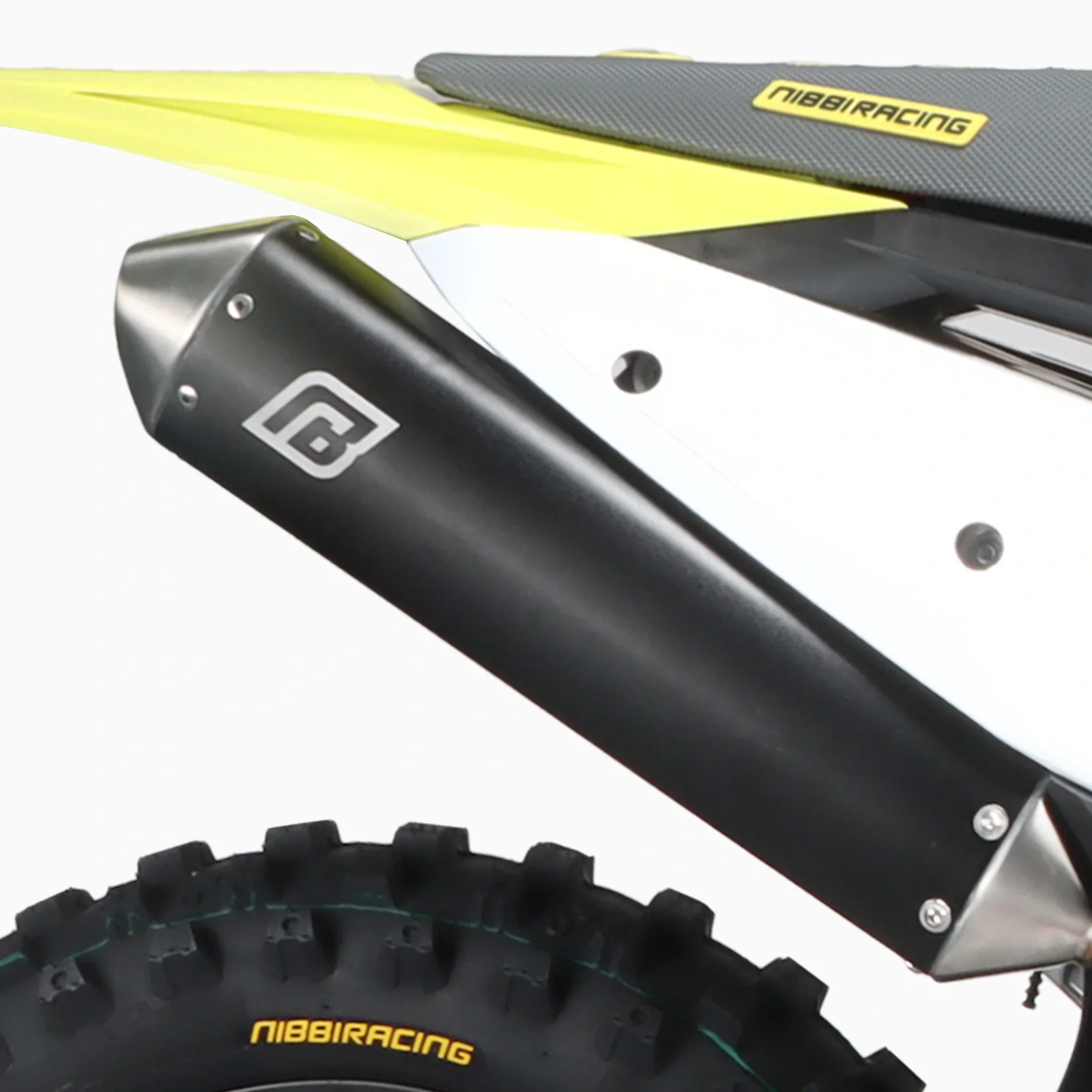
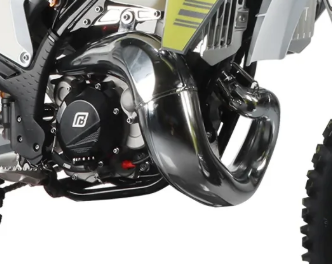
Tailored specifically for the ET300
Improved ground clearance for hard enduro
Aluminum mounting bracket
Focus on:
Smooth power delivery
Reduced weight
Controlled noise levels
Practical and well thought out, especially for rocky terrain.

Chassis & Design
Frame:
Refined chrome molybdenum steel frame
Improved anti-squat behavior
Optimized wall thickness in high-stress areas
Designed flex characteristics for:
Better feedback
Energy absorption
Straight-line stability
The frame is finished in black powder coating and comes with a robust skid plate as standard.

Aluminum Subframe
Lightweight aluminum construction
Shorter and more compact
Designed to bend rather than crack in a crash
Fully integrated electronics (no extra brackets)
This is very much in line with modern European enduro design.

Swingarm
One-piece hollow die-cast aluminum swingarm
280g lighter than previous designs
New 25mm rear axle
Redesigned chain guide and slider for durability
Again, this is not budget thinking. This is modern engineering.
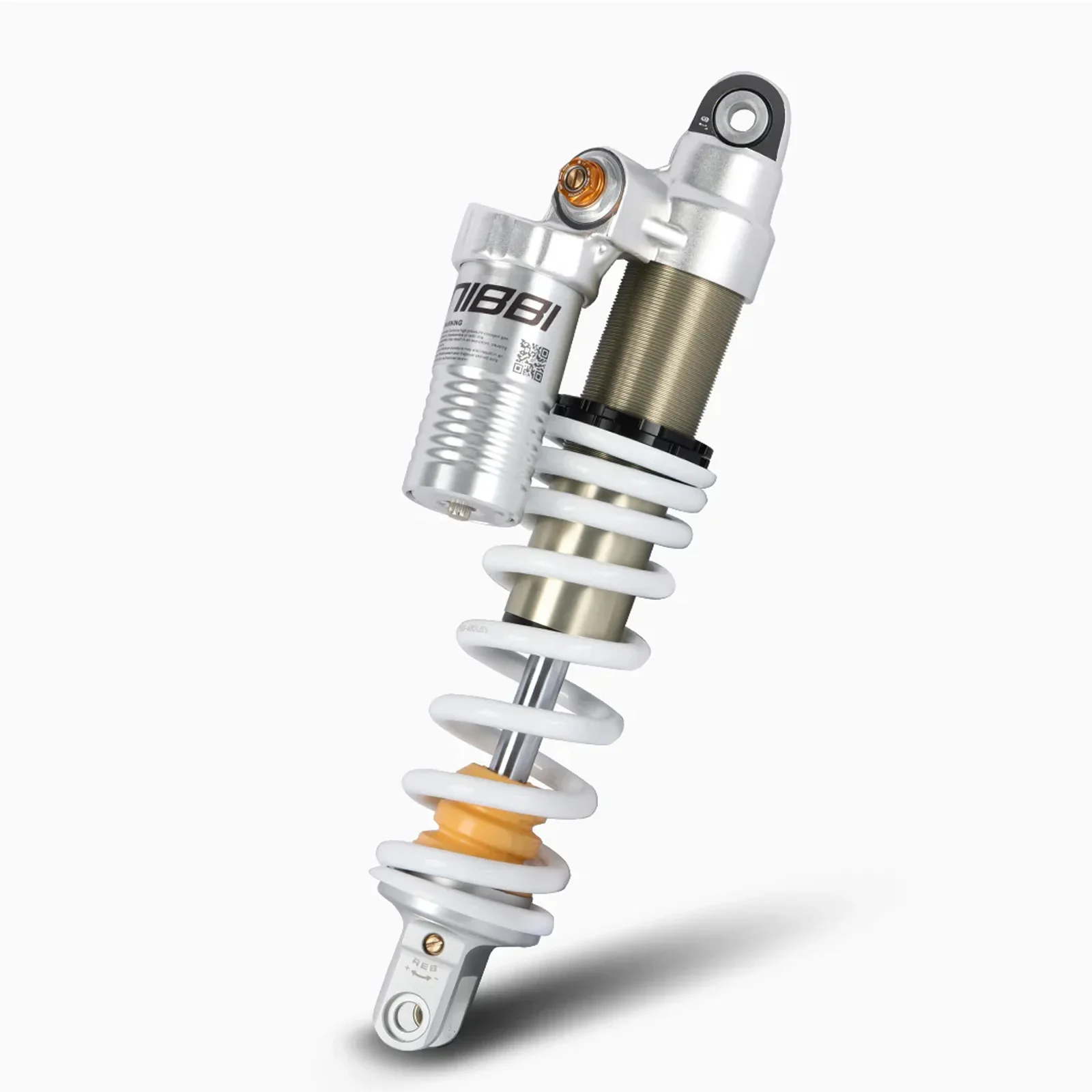
Suspension
Front Suspension
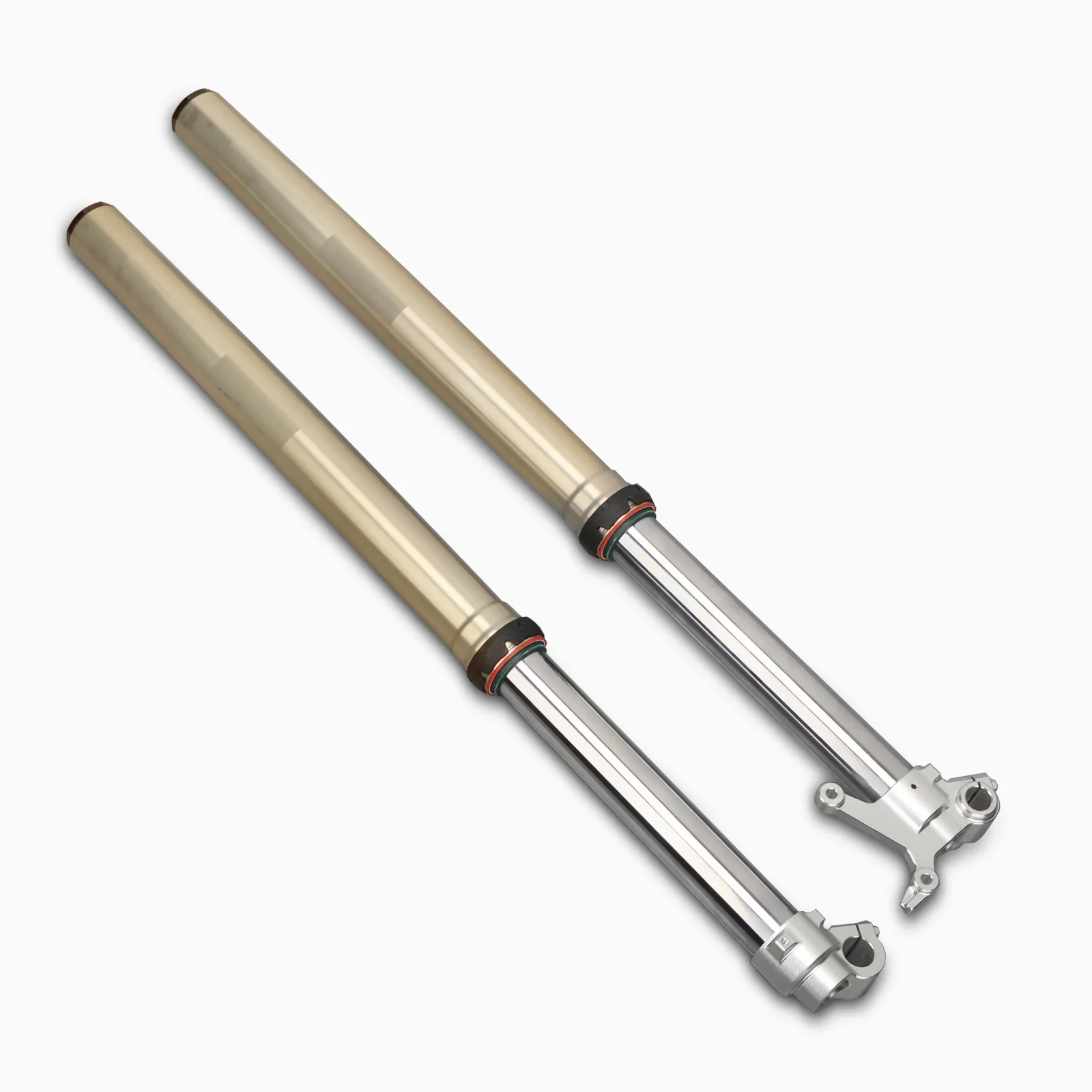
Fully adjustable enduro fork
Adjustable compression and rebound damping
Designed for:
Heavy landings
Technical riding
Maintaining forward momentum
Rear Shock
High-speed & low-speed compression, and rebound adjustment
Focus on stability and traction
Designed to reduce rider fatigue on rough terrain
PDS style
Wheels, Tires & Brakes
Both the rims and tires seem to be branded Nibbi.
Front: 80/100-21
Rear: 140/80-18
Disc brakes front and rear
A proper hard-enduro-friendly tire size choice.
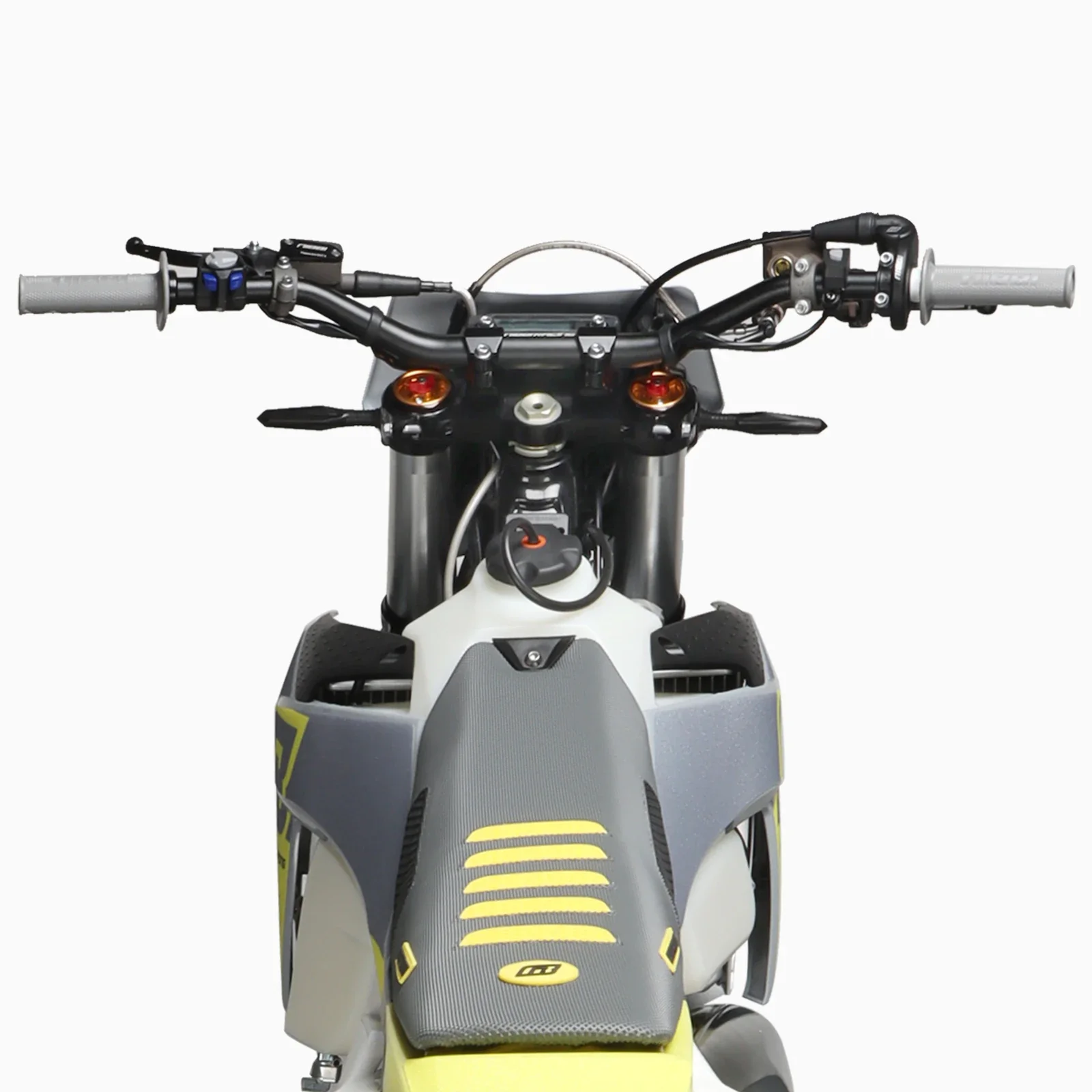
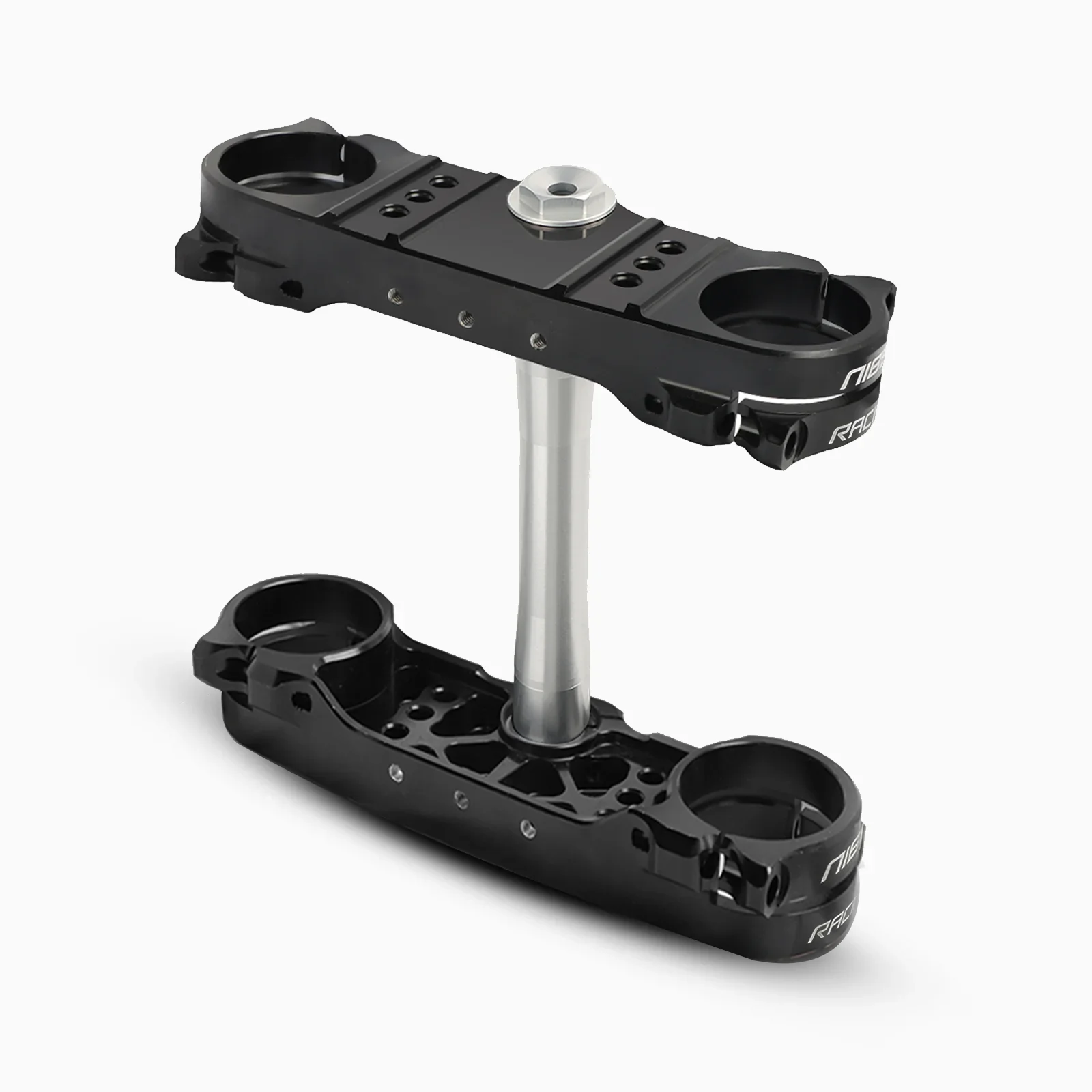
Controls & Components
7075 aluminum handlebars
Bar pad included
Advanced dual-clamp triple clamp system
Reduced fork distortion
Better fork response
Increased resistance to twisting
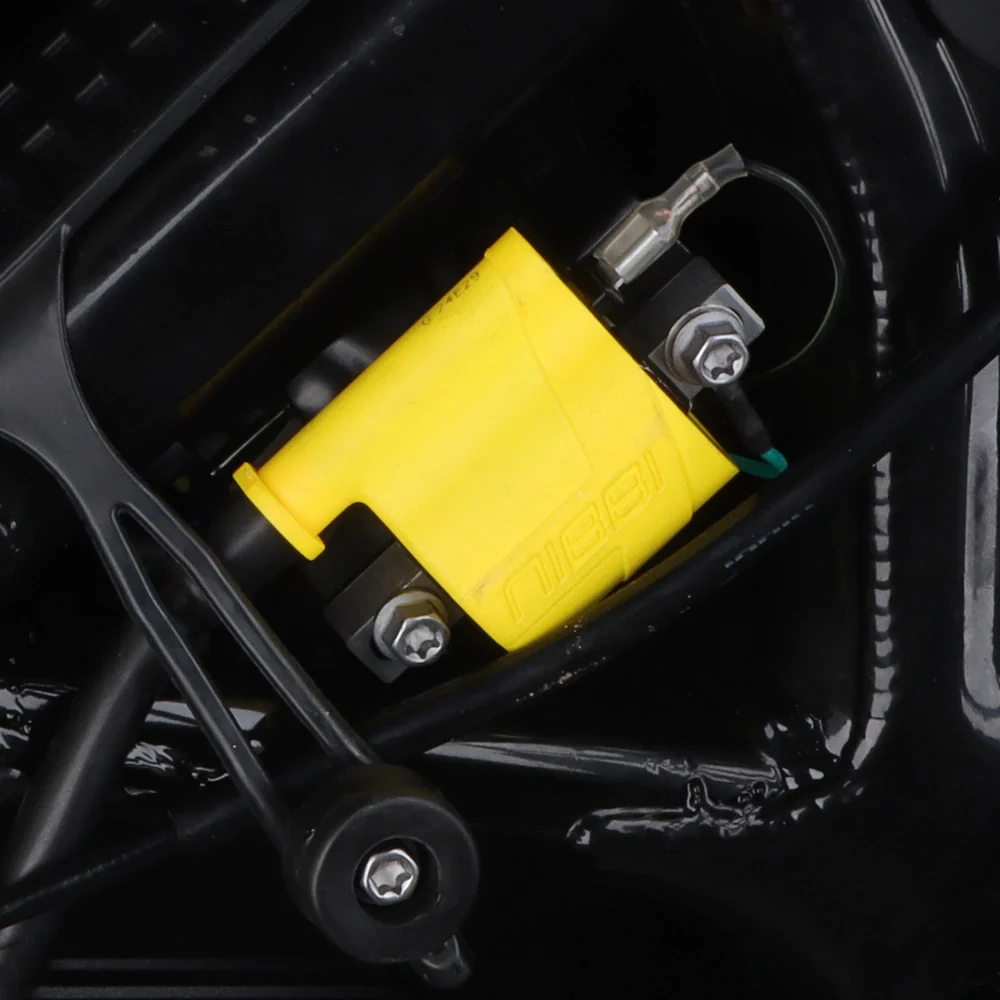
Nibbi also uses their own high-voltage ignition coil for consistent spark and combustion.

Airbox & Filtration
Tool-less side panel access
Carefully designed intake ducts
Nibbi foam air filter
Strong protection against water and dirt
This is a small detail—but a very important one for enduro riders.
Key Dimensions (Published)
Seat height: ~910 mm
Front suspension/travel: 910/295 mm
Rear suspension/travel: 395/310 mm
Weight: 109kg dry (KTM 300 EXC 2026 104.4kg without fuel)
Tall, but normal for a modern 300 enduro.
Price & Availability
The Nibbi ET300 2026 is listed on Tradewheel at:
$4,599 – $5,599 USD (FOB)
FOB pricing means shipping, so import tax and local fees are extra.
For comparison:
2025 KTM 300 EXC: ~$11,599 MSRP
Even at the high end, the ET300 is significantly cheaper.
Potential Drawbacks
⚠️ Things to keep in mind:
New model, limited real-world rider feedback (so far)
Dealer network unclear outside China
Final spec may vary by market
Long-term parts availability is still unknown
Final Verdict: Is the Nibbi ET300 Worth Watching?
✅ Pros
Serious engineering, not just branding
Balance-shaft 2-stroke engine
Modern chassis & swingarm
High-quality Nibbi components
Competitive price
❌ Cons
Unknown dealer support
No long-term reliability data yet
FOB pricing adds uncertainty. Ask for DDP (Delivery Duty Paid) shipping.
Would You Ride the Nibbi ET300?
Nibbi didn’t rush into this. The ET300 looks like a carefully designed, modern 300cc enduro bike, not a budget copy. If Nibbi can support this bike properly outside China, it could become a very interesting alternative in the hard enduro space.
I’ll be watching this one closely.
What do you think? Would you trust Nibbi with a full bike—not just parts? Let me know in the comments 👇
FAQs – Nibbi ET300 2026
Q: Is the Nibbi ET300 street legal?
A: It appears designed as an off-road bike. Street legality depends on local regulations and final market versions.
Q: Is this engine KTM-based?
A: No direct claim of KTM cloning. This appears to be a Nibbi-developed 2-stroke with balance shafts, drawing inspiration from KTM/Husqvarna.
Q: Is it suitable for beginners?
A: Like all 300cc 2-strokes, it’s best for experienced riders.
Q: Where can I buy it?
A: Currently listed through trade platforms like Tradewheel. Local distributors are not yet confirmed.
Q: When is it available? A: It's on the market with riders already. #chinesedirtbike #affordabledirtbike


Comments